Effective CV Website Design Strategies for a Professional Digital Presence in 2026
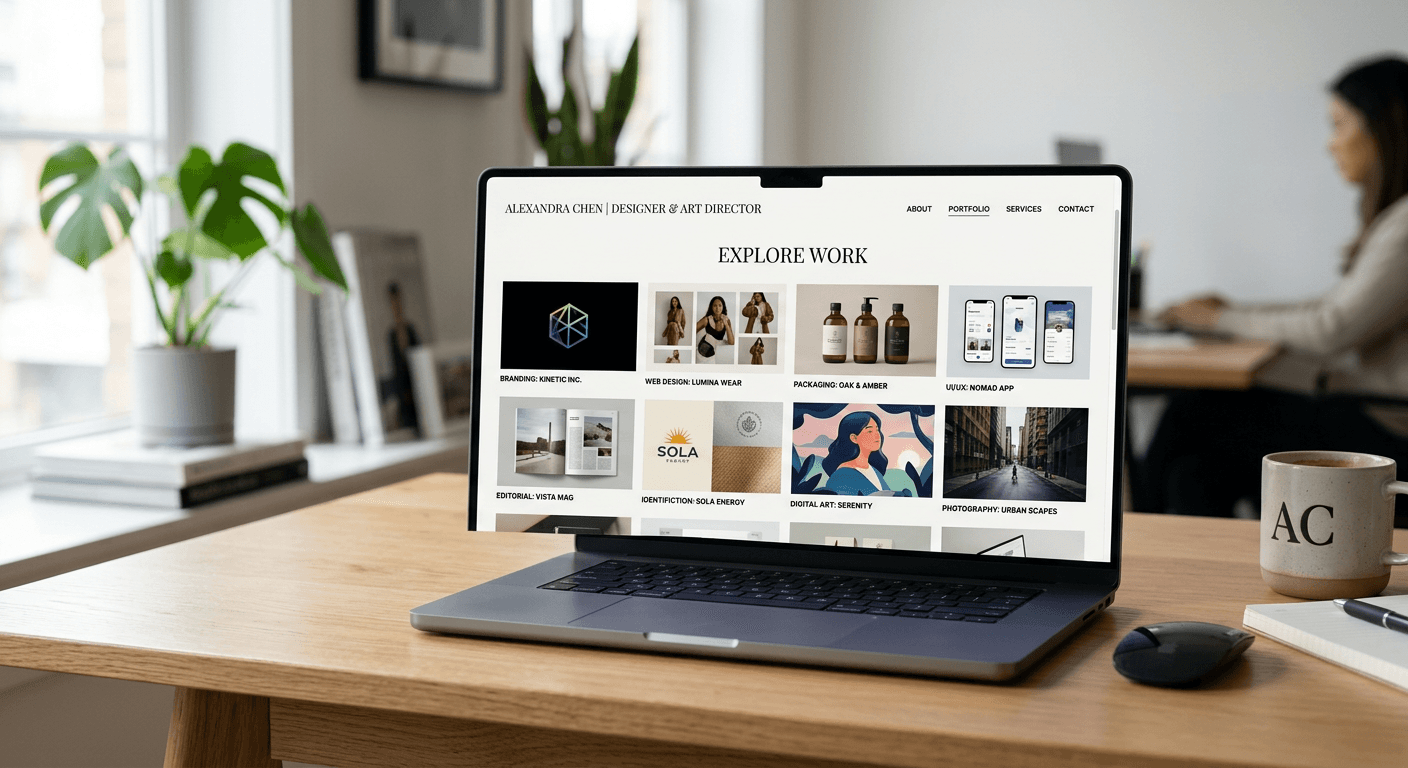
Creating a standout professional identity requires more than a static document. A modern digital presence often hinges on high-quality cv website design that bridges the gap between traditional resumes and dynamic, interactive showcases. By centralizing your experience, skills, and creative outputs into a cohesive hub, you enable potential employers and clients to engage with your work on their own terms.

Quick Summary
Developing an online portfolio allows professionals to transcend the limitations of paper resumes by incorporating rich media, project case studies, and live links. A well-structured site acts as a 24/7 digital representative of your expertise.
- Prioritize clean, responsive layouts that work seamlessly on mobile and desktop.
- Curate your content to feature only your most impactful and relevant projects.
- Utilize a professional URL to enhance credibility and brand authority.
- Ensure fast loading times to prevent visitor drop-offs.
Table of Contents
- Quick Summary
- Strategic Planning and Content Curation
- Selecting the Right Platform Architecture
- Refining Portfolio Website Design for UX
- Optimization and Maintenance Best Practices
- Common Pitfalls and Troubleshooting
- FAQ
- Recommended Reads
Strategic Planning and Content Curation
Before diving into the technical aspects of building your site, you must define the narrative of your career. An online cv maker can provide templates, but the substance comes from your ability to synthesize your professional journey. Identify your unique value proposition, target audience, and the key achievements that demonstrate your capability. Focus on quality over quantity; a handful of deep, well-explained case studies often yield better engagement than a long list of minor tasks.
Structure your content to be skimmable yet thorough. Busy recruiters and potential clients frequently scan pages for specific keywords and technical skills. Organize your professional history into logical sections such as Experience, Projects, Technical Skills, and Contact Information. Use quantifiable metrics whenever possible, as data-backed achievements carry significantly more weight than generic task descriptions.
Selecting the Right Platform Architecture
Choosing the foundation for your site involves balancing ease of use with the need for long-term scalability. For many, utilizing a dedicated link-in-bio platform offers the most efficient way to aggregate various social, professional, and portfolio profiles into a single, cohesive landing page. These platforms are particularly effective for creators and consultants who need to drive traffic to multiple destinations without managing complex web hosting infrastructure.
For more specialized needs, consider whether a static site generator, a content management system, or a hosted landing page builder fits your technical comfort level. If your goal is to showcase high-resolution images or video content, ensure the platform supports media optimization and fast CDN delivery. The objective is to maintain a professional aesthetic without requiring constant maintenance or advanced coding skills.
Refining Portfolio Website Design for UX
Good design is invisible when it functions well. Your navigation should be intuitive, allowing a visitor to reach your contact details within seconds. Use consistent typography, a limited color palette, and high-quality imagery to build trust and brand recognition. White space is your best friend in portfolio website design; it allows your work to stand out and reduces the cognitive load on the visitor.
Responsive design is non-negotiable. With a significant portion of traffic originating from mobile devices, your layout must adapt gracefully to different screen sizes. Avoid overly complex animations that may hinder performance or navigation. Instead, focus on fluid transitions and readable font sizes that ensure accessibility for all users, regardless of their device or browsing context.
Pro Tip: Include a downloadable PDF version of your resume on your site. This allows recruiters to save your information locally, while your website remains the interactive, primary hub for exploration.
Optimization and Maintenance Best Practices
Regular updates are the lifeblood of an effective portfolio. A site that hasn't been updated in years signals stagnation. Set a quarterly cadence to review your projects, update your achievements, and remove outdated or irrelevant links. Furthermore, implement basic analytics to understand which pages or projects attract the most attention. This data will inform how you present your work moving forward.
Search engine optimization (SEO) should be treated as a background process. Use descriptive headings, alt text for all images, and meaningful metadata for your pages. While an individual CV site may not rank for broad competitive terms, you can effectively capture long-tail traffic by ensuring your name and your professional specialization are clearly indexed in your site's structure.
Common Pitfalls and Troubleshooting
One common error is an over-reliance on broken links. Always perform a periodic check to ensure every external link to your projects, code repositories, or social profiles is active. If a link directs to a third-party project, ensure that the project is still viewable and the documentation is up to date.
Another mistake is the lack of a clear call to action (CTA). Don't make visitors guess how to reach you. Whether it is an email button, a booking link, or a contact form, your path to engagement should be prominent. Finally, avoid overwhelming visitors with too much information; keep your layout clean and focus on the most relevant highlights of your career.
FAQ
How often should I update my portfolio website?
Aim for a quarterly review to ensure your latest projects, skills, and professional accomplishments are accurately represented.
Is it necessary to use a custom domain name?
While not strictly required, a custom domain adds a layer of professionalism and trust that sets you apart from peers using subdomain-based hosting.
Can I include social media profiles on my CV website?
Yes, but focus only on those platforms that contribute to your professional reputation, such as professional networks or creative communities.
Should I include a personal bio on my professional site?
Yes, a short, human-centric bio helps build rapport and explains the "why" behind your professional goals, making you more memorable to recruiters.