Web Design in Bangkok: Agencies for 2026
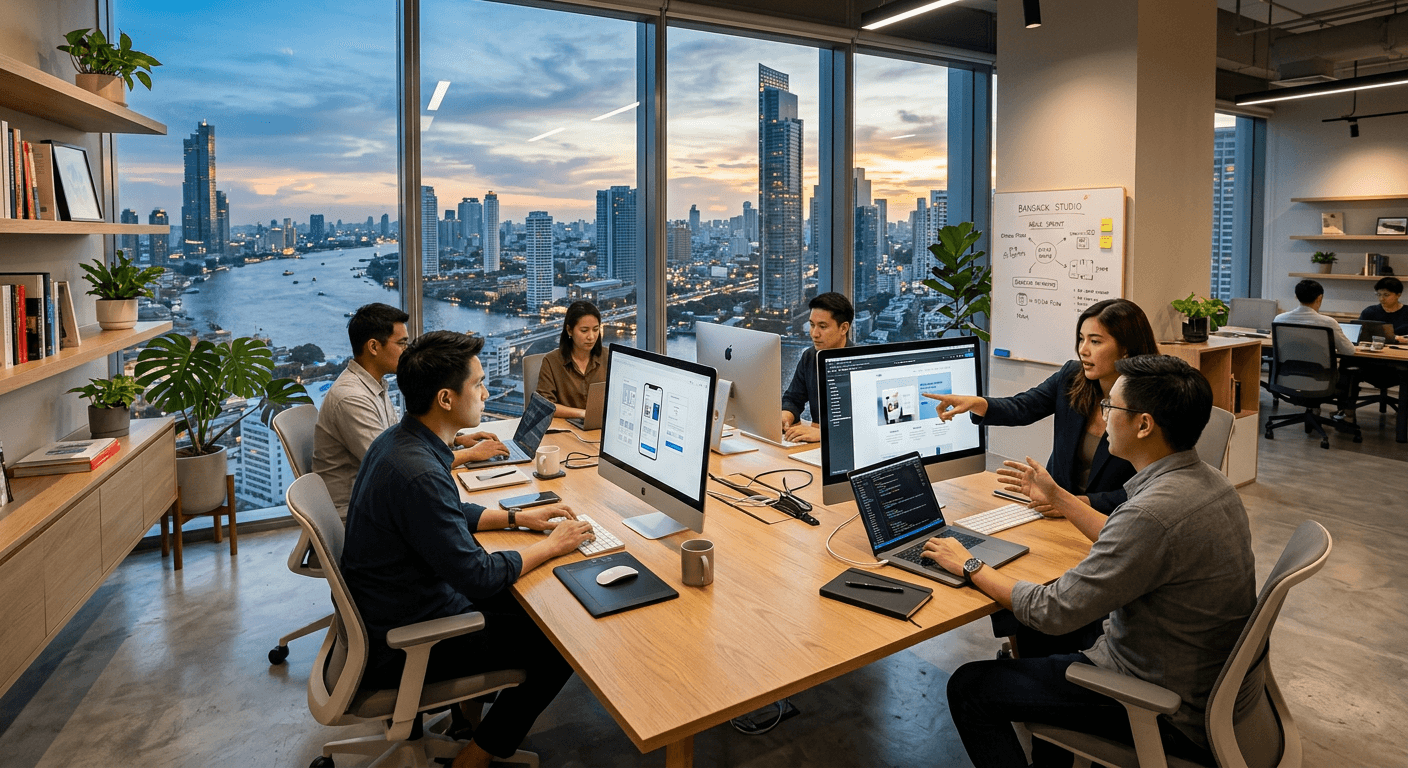
Selecting the right web design company in bangkok for 2026 requires balancing aesthetic sophistication with technical performance. As the digital landscape in Southeast Asia evolves, local businesses and global brands alike are moving beyond simple brochure sites toward high-conversion, integrated platforms. Whether you are launching a new e-commerce venture or streamlining your online event management infrastructure, the agency you choose will dictate your brand's operational capacity for years to come.

Quick Summary {#quick-summary}
Finding a high-quality web design company in Bangkok involves evaluating an agency's technical expertise, UI/UX proficiency, and support for specialized features like online event management. Selecting a partner that understands the local market nuances ensures your digital presence is both culturally resonant and technically performant.
- Prioritize agencies with proven portfolios in e-commerce and event-driven digital solutions.
- Evaluate long-term maintenance and technical support capabilities before signing a contract.
- Ensure the agency offers seamless integration with existing tools, such as the resources available at https://heylink.eu.com for managing multi-link presence.
- Demand a clear roadmap for mobile responsiveness and performance metrics.
Table of Contents {#table-of-contents}
- Full-Service Digital Agencies
- Specialized E-commerce Development Studios
- Boutique Creative Design Houses
- Freelance Agency Networks
- How to Choose Your Web Design Partner
- FAQ
- Recommended Reads
Full-Service Digital Agencies {#full-service-digital-agencies}
Full-service agencies in Bangkok provide a holistic approach to digital transformation. These firms typically house designers, developers, and digital marketers under one roof. This structure is ideal for organizations that require end-to-end management of their digital ecosystem, from initial wireframing to ongoing SEO and social media integration. For businesses scaling rapidly, these agencies offer the advantage of streamlined communication and unified branding.
These providers often excel at complex projects, such as building custom CRMs or integrating advanced online event management modules into existing websites. Because they handle the entire project lifecycle, the coordination between design and functionality is generally superior. However, this level of service typically commands a premium price point compared to specialized boutiques.
- Pros: Unified strategy, access to diverse talent pools, and comprehensive project management.
- Cons: Higher costs, potentially slower turnaround times for small updates, and less personal attention from senior leadership.
- Target Audience: Mid-to-large enterprises requiring scalable, long-term digital solutions.
Specialized E-commerce Development Studios {#specialized-e-commerce-development-studios}
For retailers, the focus shifts toward conversion rate optimization (CRO) and platform stability. Specialized e-commerce studios in Bangkok focus almost exclusively on platforms such as Shopify, WooCommerce, or bespoke enterprise-grade solutions. These firms understand the logistical challenges unique to the Thai market, including payment gateway integrations and local shipping logistics.
These studios often provide modular services, allowing a brand to add features like integrated digital business cards or professional landing pages, similar to those found on platforms like https://heylink.eu.com, to drive sales from social media traffic. By focusing on conversion, these teams ensure that every element of the site design serves a functional business purpose, minimizing friction in the buyer's journey.
- Pros: Deep technical knowledge of e-commerce platforms, focus on conversion metrics, and familiarity with regional payment gateways.
- Cons: Less emphasis on artistic or experimental design; limited in non-retail projects.
- Target Audience: Online store owners, D2C brands, and retailers expanding into digital marketplaces.
Boutique Creative Design Houses {#boutique-creative-design-houses}
If your goal is to differentiate your brand through visual identity, boutique creative houses offer a bespoke experience. These agencies usually maintain smaller client lists, allowing for deep collaboration with founders and marketing teams. They are particularly adept at developing high-end, award-winning interfaces that prioritize user experience and brand storytelling.
While they may outsource heavy backend development, their strength lies in the initial research, wireframing, and visual design phases. They are the go-to partners for startups that need a strong visual launchpad or for established firms looking to rebrand. They bring a level of creative detail that larger, production-heavy agencies sometimes overlook.
- Pros: High-quality visual output, personalized attention, and strong brand strategy alignment.
- Cons: May lack internal capacity for complex backend infrastructure; often costlier due to the specialized nature of the creative work.
- Target Audience: Startups, luxury brands, and businesses focused on market-leading visual design.
Freelance Agency Networks {#freelance-agency-networks}
Freelance networks represent an increasingly popular model in the Bangkok tech scene. These are groups of high-level independent contractors who collaborate on projects. This model offers high flexibility and competitive pricing, as it removes the overhead costs of a large physical office space and permanent staff.
This category is excellent for lean digital entrepreneurs who need professional-grade work on a modular basis. Since many members of these networks are cross-functional, they can effectively manage everything from site maintenance to event management tools. The key challenge lies in project management; it is often up to the client to ensure the disparate pieces of the project are coming together according to their timeline.
- Pros: Cost-effective, high flexibility, and access to a wider variety of specialized skill sets.
- Cons: Requires more hands-on management from the client, potential for communication gaps between team members.
- Target Audience: Small businesses, independent creators, and digital entrepreneurs with specific, time-bound projects.
How to Choose Your Web Design Partner {#how-to-choose-your-web-design-partner}
Choosing a web design company in Bangkok involves looking past the pitch deck. Start by analyzing their portfolio specifically for projects that share your business goals. If you need online event management features, look for case studies that demonstrate success in that niche. Request to see live, working sites rather than just design mockups, as this reveals how the site handles real traffic and mobile responsiveness.
Consider the agency's post-launch support policy. A beautiful website is useless if it is not updated or secure. Ensure the agency uses standard content management systems (CMS) so that you aren't locked into their proprietary software. Transparency regarding communication, ownership of code, and hosting requirements is essential for a productive, long-term relationship.
FAQ {#faq}
- What is the average cost of web design in Bangkok? Costs vary wildly based on scope, but small business sites typically range from 50,000 to 200,000 THB, while enterprise projects can exceed 1,000,000 THB.
- How long does a professional website project take? Depending on complexity, a standard corporate site can take 8 to 12 weeks, while complex e-commerce or event-management platforms may take 4 to 6 months.
- Do I need to host my website with the agency? Not necessarily. It is often safer to own your domain and hosting account to maintain control, though many agencies offer management services for convenience.