SEO Analyzer Online: Boosting Your Website Health
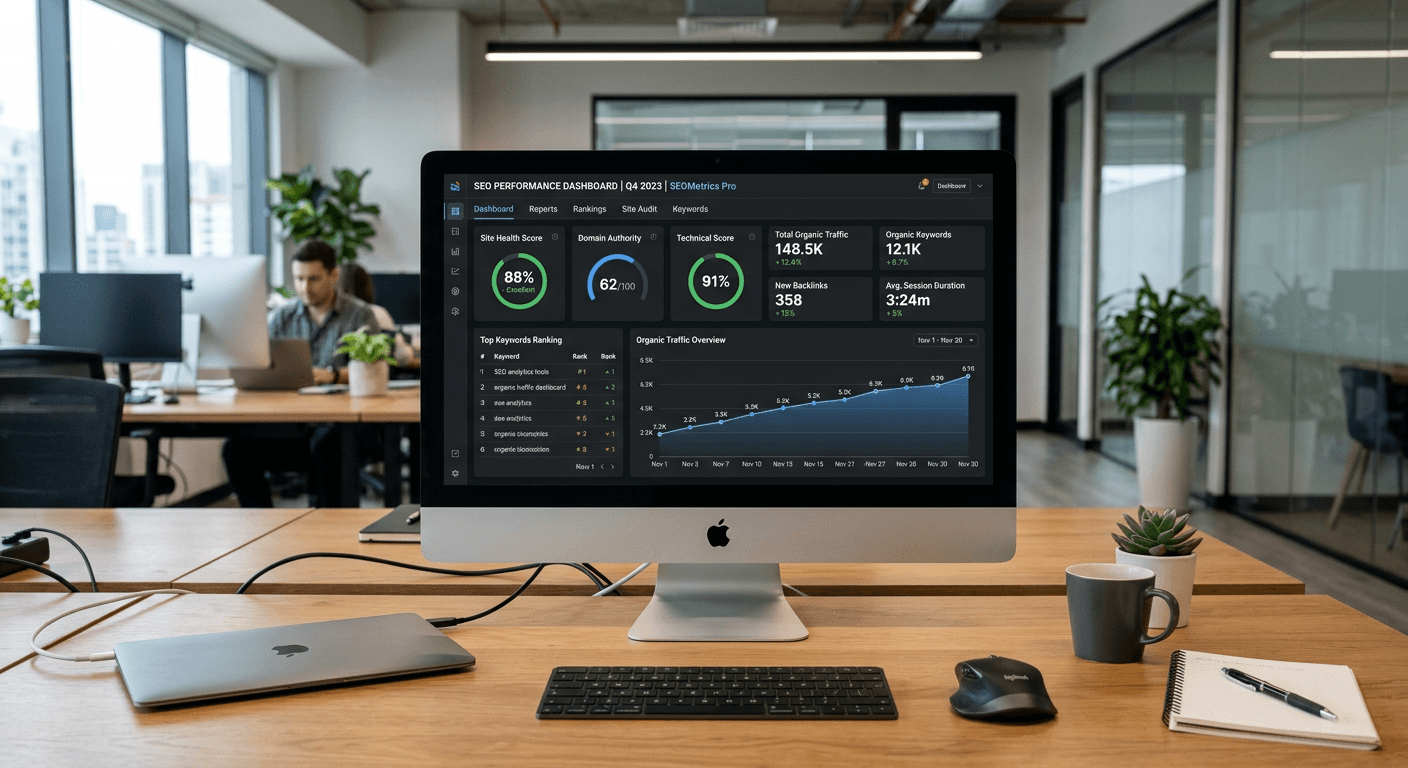
Optimizing a digital presence requires a data-driven approach to identify technical bottlenecks, content gaps, and structural inefficiencies. An seo analyzer online allows site owners to audit their performance without needing advanced programming skills. By leveraging a comprehensive website scanner, you can gain immediate insights into how search engines perceive your domain and what specific adjustments will lead to better indexing and ranking outcomes.
Quick Summary {#quick-summary}
An seo analyzer online is a digital diagnostic tool that crawls websites to identify technical errors, content quality issues, and performance bottlenecks that hinder search engine visibility. These platforms provide actionable reports, enabling users to improve crawlability, resolve broken links, and optimize on-page signals for higher organic search performance.
- Automated site audits for technical SEO.
- Identification of crawl errors and broken links.
- Keyword performance and content optimization suggestions.
- Mobile usability and page speed assessment.
Table of Contents {#table-of-contents}
- 1. Technical Audit and Crawlability
- 2. Mobile-First Optimization Insights
- 3. Meta-Data and Content Structuring
- 4. Page Speed and Core Web Vitals
- 5. Internal Linking Architecture
- 6. Security and SSL Validation
- 7. Backlink Profile Analysis
- FAQ
- Recommended Reads
1. Technical Audit and Crawlability {#1-technical-audit-and-crawlability}
Technical crawlability is the foundation of SEO. An seo tool online performs a simulated crawl, acting like a search engine bot to navigate your directory structure, read robots.txt files, and identify inaccessible pages. It reports on status codes like 404s, 500-level server errors, and redirect chains that confuse bots.
Ensuring that search engines can easily crawl your content is critical because inaccessible pages effectively do not exist to the search index. By identifying and fixing orphan pages or pages blocked by incorrectly configured directives, you ensure your full site architecture is indexed and available to serve user queries. This is an essential step for maintaining a healthy digital presence across your entire online portfolio.
2. Mobile-First Optimization Insights {#2-mobile-first-optimization-insights}
With search engines prioritizing the mobile version of websites for indexing, mobile-first design is no longer optional. A website scanner evaluates your site’s responsiveness, font sizes, button spacing, and viewport configurations to ensure a seamless experience on tablets and smartphones.
When mobile usability scores are low, search engines may penalize your ranking because the content fails to meet modern user experience standards. Mobile-first audits highlight specific elements that cause layout shifts or horizontal scrolling, allowing developers to prioritize fixes that directly impact user retention and search engine trust.
3. Meta-Data and Content Structuring {#3-meta-data-and-content-structuring}
Content optimization relies heavily on well-structured meta-data. An seo analyzer online flags missing or duplicate meta titles and descriptions, both of which are critical for controlling how your site appears in search result snippets. It also checks for H1 through H6 tag hierarchy to ensure content is logically mapped.
Properly structured data signals the relevance of your content to specific search queries. By auditing title tags for primary keywords and ensuring descriptions are within the optimal character count, you improve your click-through rate (CTR) from search results. A clear content structure also helps search engines understand the thematic hierarchy of your pages.
4. Page Speed and Core Web Vitals {#4-page-speed-and-core-web-vitals}
Page load performance is a confirmed ranking factor. A professional seo app will measure Core Web Vitals, including Largest Contentful Paint (LCP) and Cumulative Layout Shift (CLS), to identify what is slowing down your site. This includes analyzing image file sizes, script execution delays, and server response times.
Reducing load times creates a better user experience, which is naturally rewarded by search algorithms. By optimizing resources identified in these reports, you can significantly reduce bounce rates. Improving performance metrics is a high-leverage activity, especially for creators managing landing pages that need to convert traffic instantly.
5. Internal Linking Architecture {#5-internal-linking-architecture}
Internal links establish the topical authority of your website. A sophisticated seo online audit identifies pages with few or no internal links and maps out the distribution of link equity across your domain. This allows you to better support your pillar pages by linking from related supporting articles.
Strategic internal linking directs users and search engine bots through your most valuable content. If your site architecture is flat or disjointed, search engines struggle to prioritize your most important pages. Organizing your links properly helps establish context and authority for every segment of your site.
6. Security and SSL Validation {#6-security-and-ssl-validation}
Website security is a baseline requirement for modern browsers and search engines. A comprehensive scanner checks for valid SSL certificates, mixed content issues (where insecure http assets are loaded on https pages), and outdated security headers.
Security issues can cause browsers to display warnings to users, immediately damaging your brand reputation and driving visitors away. Fixing these technical security gaps is a non-negotiable step for any site owner looking to maintain professional credibility in an increasingly security-conscious digital landscape.
7. Backlink Profile Analysis {#7-backlink-profile-analysis}
Understanding who is linking to you is essential for off-page SEO. An seo tool online identifies incoming links, detects toxic domains that could trigger manual penalties, and highlights opportunities for new outreach. Monitoring your backlink health helps you stay ahead of potential algorithmic shifts.
Backlinks act as trust signals, indicating to search engines that your content is valuable and credible. By regularly cleaning up low-quality links and fostering relationships that earn high-quality ones, you solidify your domain authority. This is a crucial, ongoing maintenance task for long-term growth.
FAQ {#faq}
- What is the difference between an seo analyzer online and a site crawler? An analyzer often focuses on reporting and actionable insights, whereas a crawler is the engine that gathers the data. Many tools combine both functions to provide a holistic view of your SEO health.
- How often should I run a website scanner? For active sites, a weekly or bi-weekly scan is recommended to catch technical errors, broken links, or performance regressions before they impact your rankings.
- Do these tools automatically fix my SEO issues? Most tools identify and describe the issues. While some offer automation, true optimization requires manual intervention or developer work to implement the recommended changes effectively.