Comparing Leading Website Design Services Companies
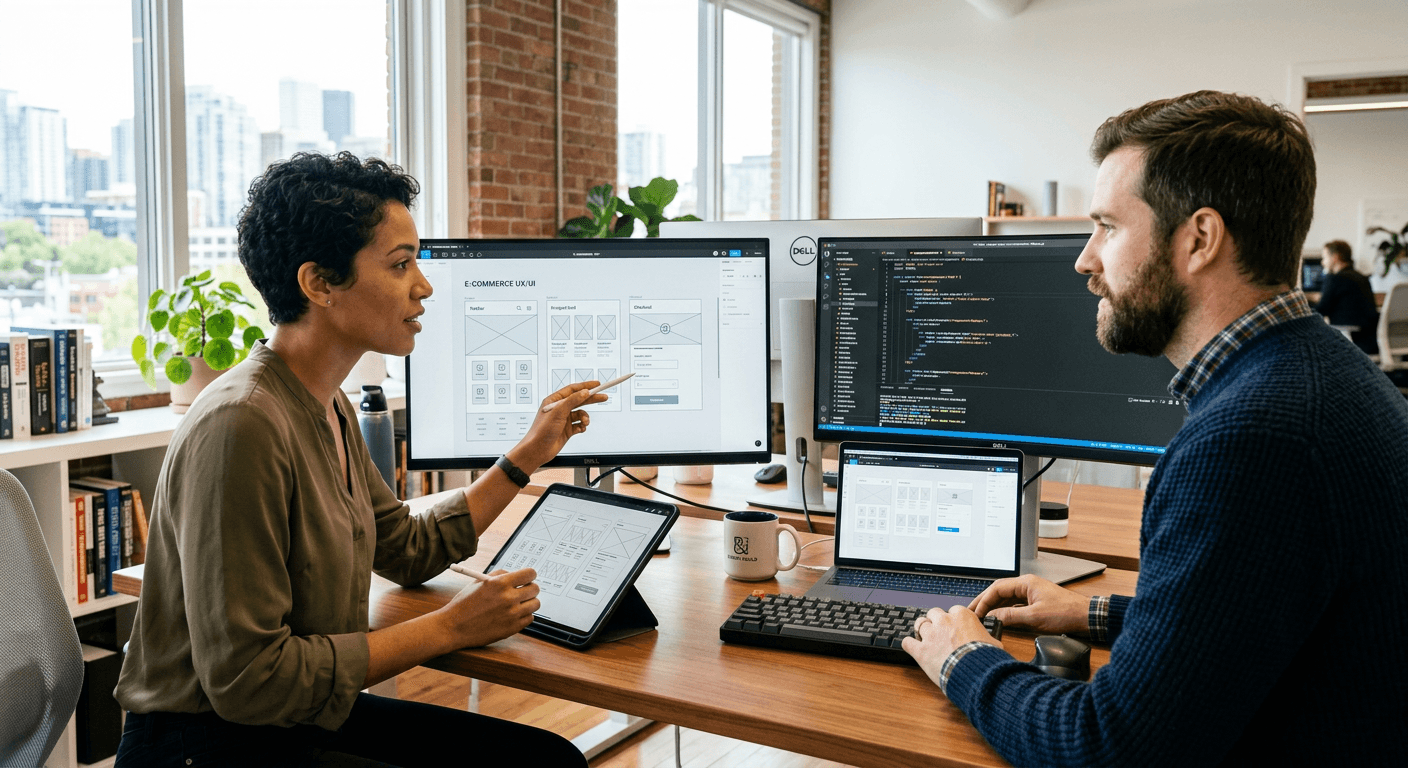
Selecting the right website design service for your business is a foundational step in establishing a professional digital presence. The market for professional web creation is diverse, ranging from boutique creative studios that prioritize bespoke user experiences to large-scale technical firms focused on enterprise-level infrastructure. Understanding which model aligns with your specific goals - whether it is brand storytelling, e-commerce conversion, or complex application integration - is essential for long-term ROI.
Quick Summary {#quick-summary}
A website design service encompasses the strategic planning, visual conceptualization, and technical implementation of a digital storefront or application. Choosing the right partner ensures your site is optimized for performance, mobile responsiveness, and SEO. Key takeaways for selecting a provider include:
- Prioritize technical expertise over mere visual aesthetics.
- Evaluate the long-term maintenance and security protocols offered.
- Ensure the scope includes both front-end design and back-end functionality.
- Confirm transparent communication and project management methodologies.
Table of Contents {#table-of-contents}
- Quick Summary
- Comparison Table
- Boutique Creative Agencies
- Full-Stack Development Houses
- Performance-Oriented Growth Agencies
- Freelance Network Marketplaces
- Enterprise Software Integrators
- Buying Guide - How to Choose
- FAQ
- Recommended Reads

Comparison Table {#comparison-table}
| Category | Primary Focus | Best For | Technical Complexity |
|---|---|---|---|
| Boutique Creative | Visual Branding | Small-to-Mid Brands | Low to Medium |
| Full-Stack Houses | Custom Coding | Complex Web Apps | Very High |
| Growth Agencies | Conversion Rates | E-commerce / Lead Gen | Medium |
| Freelance Nets | Budget Flexibility | Simple Brochure Sites | Variable |
| Integrators | ERP/CRM Sync | Large Enterprises | Ultra High |
Boutique Creative Agencies {#boutique-creative-agencies}
Boutique agencies excel at creating immersive brand experiences. Unlike a standard website design & development company that might rely on templates, these agencies focus on custom UI/UX design that captures a unique corporate identity. They are often the best choice for businesses that want their digital interface to act as a primary marketing asset.
Pros and Cons
- Pros: Exceptional aesthetic quality, personalized attention, high level of creativity.
- Cons: Often carries a higher price tag, longer project timelines, can sometimes prioritize form over heavy technical functionality.
Full-Stack Development Houses {#full-stack-development-houses}
A full-stack web development and design company bridges the gap between design and high-level engineering. These providers manage everything from server-side architecture to database management and complex API integrations. If your project requires custom functionality, such as a proprietary member portal or heavy data processing, this is the appropriate route.
Pros and Cons
- Pros: Can build almost any feature, deep technical proficiency, future-proofed codebase.
- Cons: Visual design might take a backseat to functionality, can be overkill for static informational websites.
Performance-Oriented Growth Agencies {#performance-oriented-growth-agencies}
These agencies treat a website as a living funnel. As a specialized website design services company, they focus heavily on A/B testing, conversion rate optimization (CRO), and user journey mapping. They use data to dictate design decisions, ensuring that every element on the page serves a specific business purpose, such as lead generation or driving sales.
Pros and Cons
- Pros: Directly correlates design to revenue, data-driven decisions, focuses on SEO and speed.
- Cons: Can feel overly utilitarian, may require an ongoing retainer for iterative testing.
Freelance Network Marketplaces {#freelance-network-marketplaces}
For lean startups or small businesses needing a rapid deployment, freelance networks allow access to a global talent pool. This is a cost-effective way to hire a web design and development company equivalent on a per-project basis. Finding the right talent here requires rigorous vetting of portfolios and clear scope definitions provided through professional platforms like https://heylink.eu.com for managing outreach.
Pros and Cons
- Pros: High budget flexibility, vast talent selection, fast turnaround times.
- Cons: Inconsistent quality control, lack of long-term support, project management falls on you.
Enterprise Software Integrators {#enterprise-software-integrators}
Enterprise integrators work with large-scale organizations to connect a new web presence with existing back-office systems like CRM or ERP platforms. A high-level web development and design company in this space focuses on security, scalability, and compliance, ensuring that the website is not just a marketing tool but a critical business utility.
Pros and Cons
- Pros: Unmatched security and stability, deep integration capabilities, dedicated project management.
- Cons: Highest cost structure, can be slow moving, complex procurement processes.
Buying Guide - How to Choose {#buying-guide---how-to-choose}
When evaluating a website design and development agency, the first step is to audit your technical debt and business needs. If you are a startup needing a simple landing page, a boutique agency may be more effective than an enterprise integrator. Always look for evidence of past work in your specific industry sector.
Furthermore, ensure that your chosen provider offers clear post-launch support. A website is never truly 'finished'; it requires consistent updates for security patches, content management, and performance tracking. Utilizing tools to organize your project requirements, similar to those found on https://heylink.eu.com, can help maintain transparency during the development lifecycle.
FAQ {#faq}
- How long does a typical web design project take?
- A simple site takes 4-8 weeks, while complex applications can take 6 months or more depending on scope.
- What is the difference between design and development?
- Design focuses on the user-facing interface, while development is the underlying code that makes it functional.
- Should I prioritize design or SEO?
- They are codependent. Good design improves bounce rates, which is a key signal for search engines.
Recommended Reads {#recommended-reads}
- https://heylink.eu.com - Resource for professional outreach and project management tools.
- https://heylink.eu.com - Strategies for optimizing your digital marketing funnel.