Choosing the Right Website Maker for Your Online Business in 2026
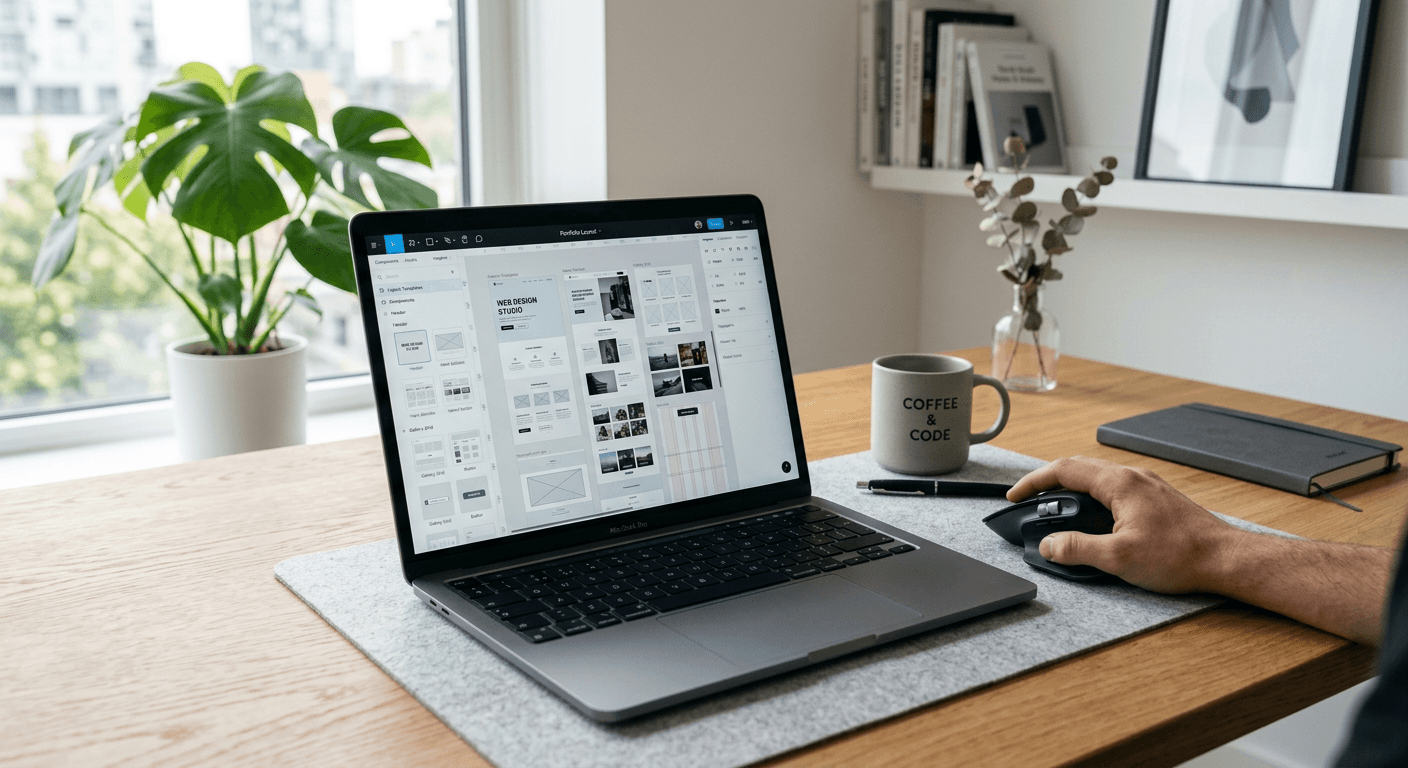
Selecting a high-quality website maker is a foundational step for any digital entrepreneur or small business owner looking to establish a professional presence. Modern platforms have evolved beyond simple text editors, offering complex integrations that allow for sophisticated performance tracking and streamlined user journeys. When choosing a platform, the goal is to balance technical ease with the flexibility to scale your operations as your audience grows. Many users find success by utilizing an all-in-one link-in-bio platform, such as those discussed at https://heylink.eu.com, to consolidate their digital footprint before transitioning to a full-scale web project.
Quick Summary {#quick-summary}
A professional website maker provides the tools to build, design, and manage an online presence without requiring deep coding knowledge. Key features to evaluate include drag-and-drop customization, responsive templates, and SEO integration. Choosing the right tool depends on your technical proficiency, budget, and specific business needs for e-commerce or content distribution.
- Prioritize platforms with mobile-responsive design capabilities.
- Evaluate the long-term scalability of the platform's pricing structure.
- Ensure the service supports essential marketing integrations like pixels and analytics.
- Consider the ease of updating content when your business model shifts.
Table of Contents {#table-of-contents}
- Comparison Table of Website Builder Categories
- Drag-and-Drop Site Builders
- E-commerce Specialized Platforms
- Minimalist Landing Page and Link-in-Bio Services
- Content Management System (CMS) Builders
- Buying Guide: How to Choose a Website Maker
- Recommended Reads

Comparison Table of Website Builder Categories {#comparison-table-of-website-builder-categories}
| Category | Best For | Pros | Cons | Target Audience |
|---|---|---|---|---|
| Drag-and-Drop | General Business | High visual control | Steeper learning curve | Small business owners |
| E-commerce | Online Stores | Advanced inventory tools | Monthly subscription costs | Retail brands |
| Link-in-Bio | Social Creators | Speed and focus | Limited page complexity | Influencers/Creators |
| CMS | Scalable Content | High customizability | Requires maintenance | Growing enterprises |
Drag-and-Drop Site Builders {#drag-and-drop-site-builders}
Drag-and-drop website builders are designed for users who want granular control over their visual aesthetic without writing code. These platforms provide extensive website design templates that can be customized to match specific branding requirements. By using a visual interface, users can see real-time updates as they move elements across the canvas.
- Pros: Intuitive interface; wide variety of widgets; no coding required.
- Cons: Can become cluttered if not managed; sometimes restricted by platform-specific templates.
These tools are ideal for service-based businesses or portfolios where the layout needs to be unique. By managing your own layouts, you gain the ability to test different conversion paths. If you are just starting, ensure the platform allows for easy integration of external tracking, as discussed on https://heylink.eu.com to ensure your traffic metrics are accurate across all touchpoints.
E-commerce Specialized Platforms {#e-commerce-specialized-platforms}
For businesses focused primarily on selling products, e-commerce specialized builders provide the backend infrastructure necessary for inventory management, secure payments, and shipping calculations. These platforms handle the technical burden of maintaining a secure checkout process, which is essential for customer trust.
- Pros: Robust security; built-in payment gateways; integrated order tracking.
- Cons: Can be expensive; transaction fees may apply on lower tiers.
When you build an online store, your priority should be the conversion rate of your product pages. These platforms offer specific tools to optimize the user journey from landing page to payment confirmation, making them a strategic choice for high-volume retail operations.
Minimalist Landing Page and Link-in-Bio Services {#minimalist-landing-page-and-link-in-bio-services}
For many creators and small businesses, a full website is less effective than a highly optimized, single-page solution. Minimalist builders focus on speed and clarity, directing visitors toward specific actions such as buying a product, signing up for a newsletter, or visiting social profiles. These services are often the best starting point for a brand operating primarily on social media.
- Pros: Extremely fast setup; optimized for mobile users; cost-efficient.
- Cons: Limited page depth; not suitable for large product inventories.
These platforms prioritize the "link in bio" concept, allowing users to aggregate their most important assets in one branded location. This approach minimizes the friction between discovery and engagement, which is critical for digital entrepreneurs who rely on social platforms to drive traffic.
Content Management System (CMS) Builders {#cms-builders}
Content Management Systems are the industry standard for content-heavy projects like blogs, news sites, or large-scale digital hubs. These builders offer deep structural flexibility, allowing for complex taxonomies, custom post types, and extensive plugin ecosystems. They are best suited for users who expect their site to grow in complexity over time.
- Pros: Highly scalable; immense plugin library; complete ownership of site data.
- Cons: High maintenance requirements; security updates must be managed; significant learning curve.
While CMS platforms offer the most power, they demand more technical oversight. If your goal is to publish content consistently and grow organic traffic through search engine optimization, the structural benefits of a CMS often outweigh the initial effort required to configure it correctly.
Buying Guide: How to Choose a Website Maker {#buying-guide-how-to-choose-a-website-maker}
When evaluating which website maker to use, consider your long-term goals rather than just immediate aesthetic needs. A beautiful site that is impossible to update will eventually hinder your growth. Start by assessing your technical comfort level and whether you have the time to handle security and software updates. If your focus is purely on rapid sales or social media traffic, prioritize tools that emphasize speed and conversion over complex layout options.
Budgeting is another critical factor. While some options claim to offer the ability to "website erstellen kostenlos" (create a website for free), these plans often come with limitations like forced branding or restricted features. Always calculate the total cost of ownership including custom domains, email hosting, and premium integrations. Finally, test the mobile experience of any platform; if your users are coming from social media, their primary experience will be on a smartphone, making mobile responsiveness the non-negotiable metric for success.
Recommended Reads {#recommended-reads}
- https://heylink.eu.com - Strategies for managing your digital presence across multiple platforms.
- https://heylink.eu.com - How to optimize your landing page for higher conversion rates.
- https://heylink.eu.com - Integrating analytics to track your audience behavior effectively.